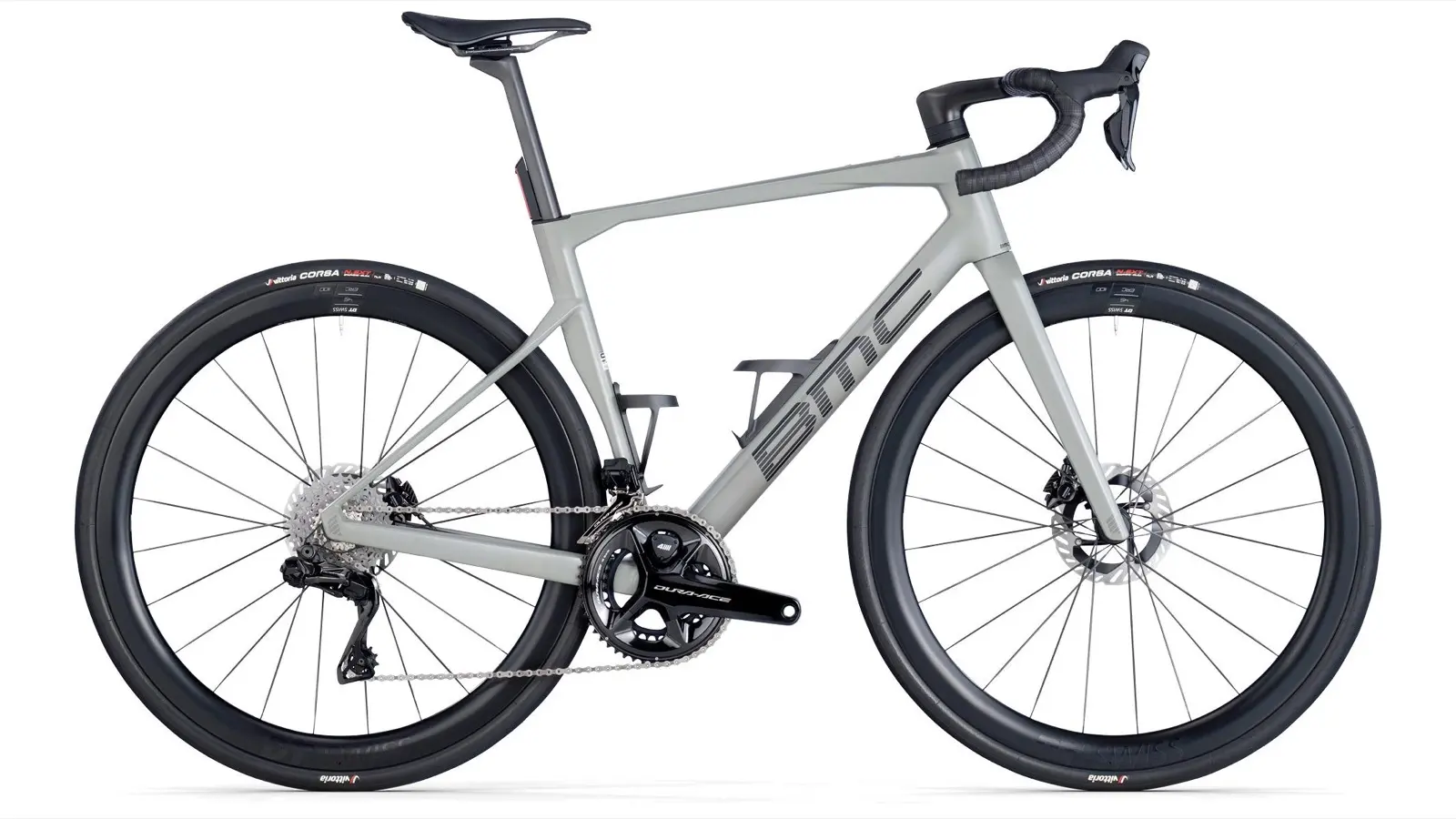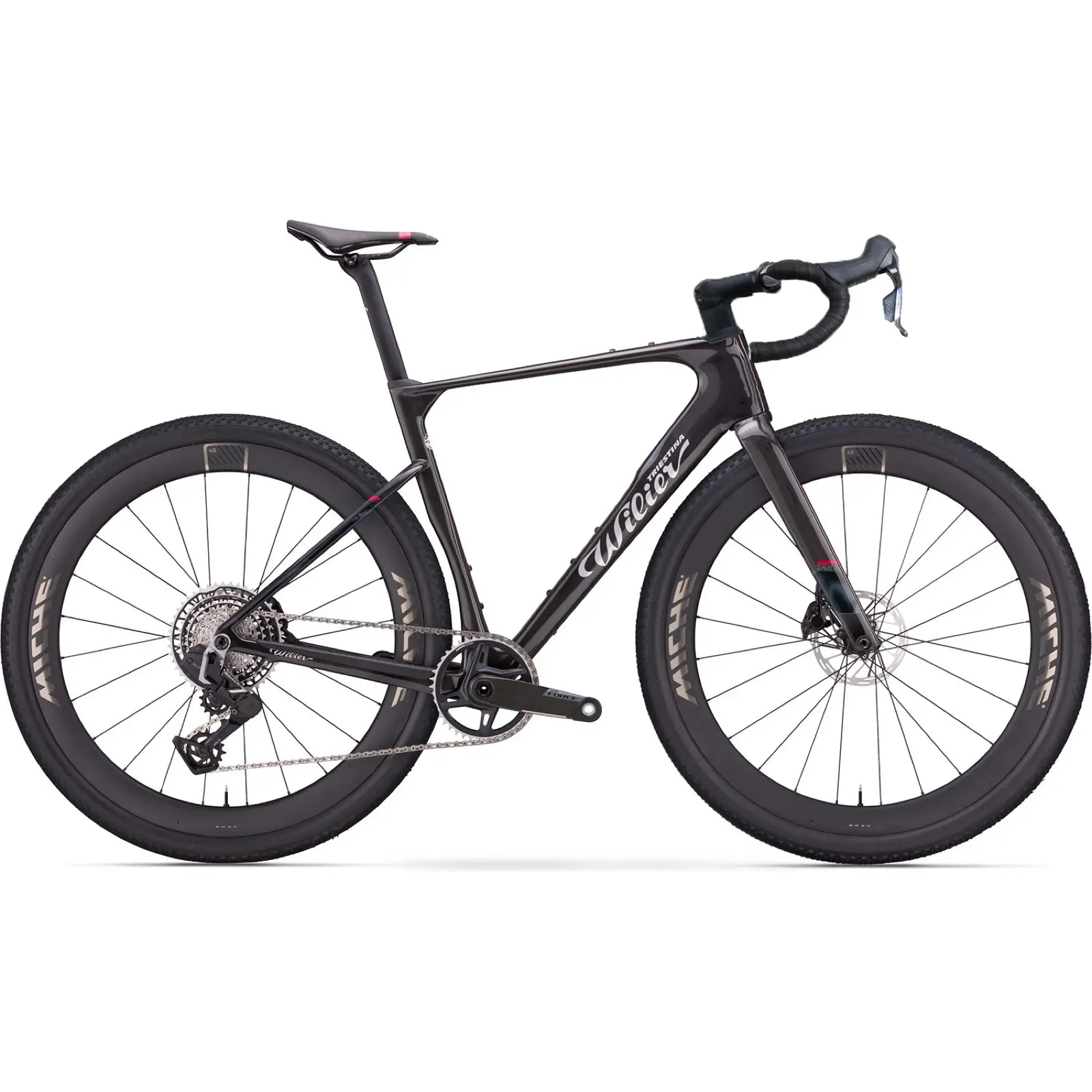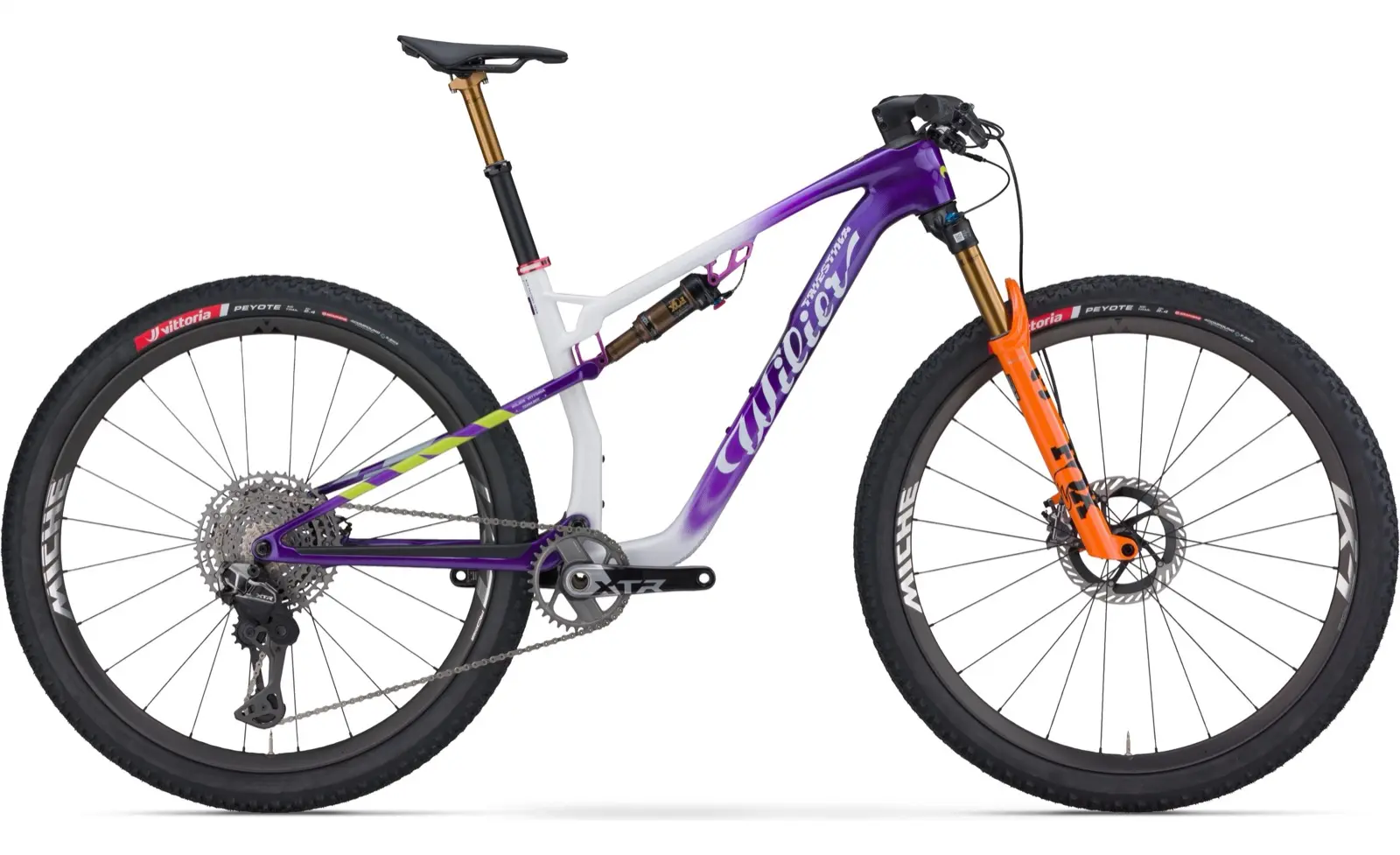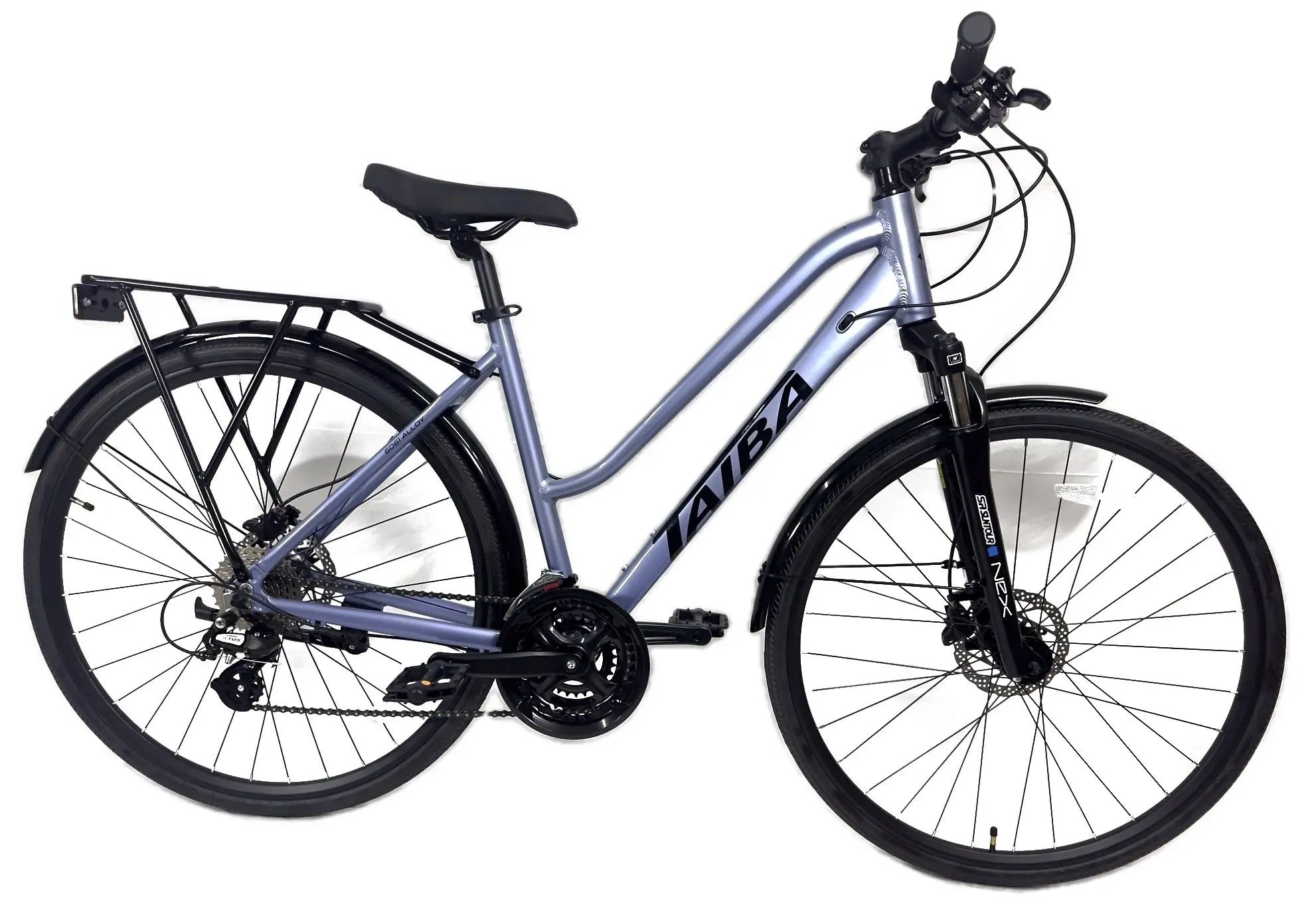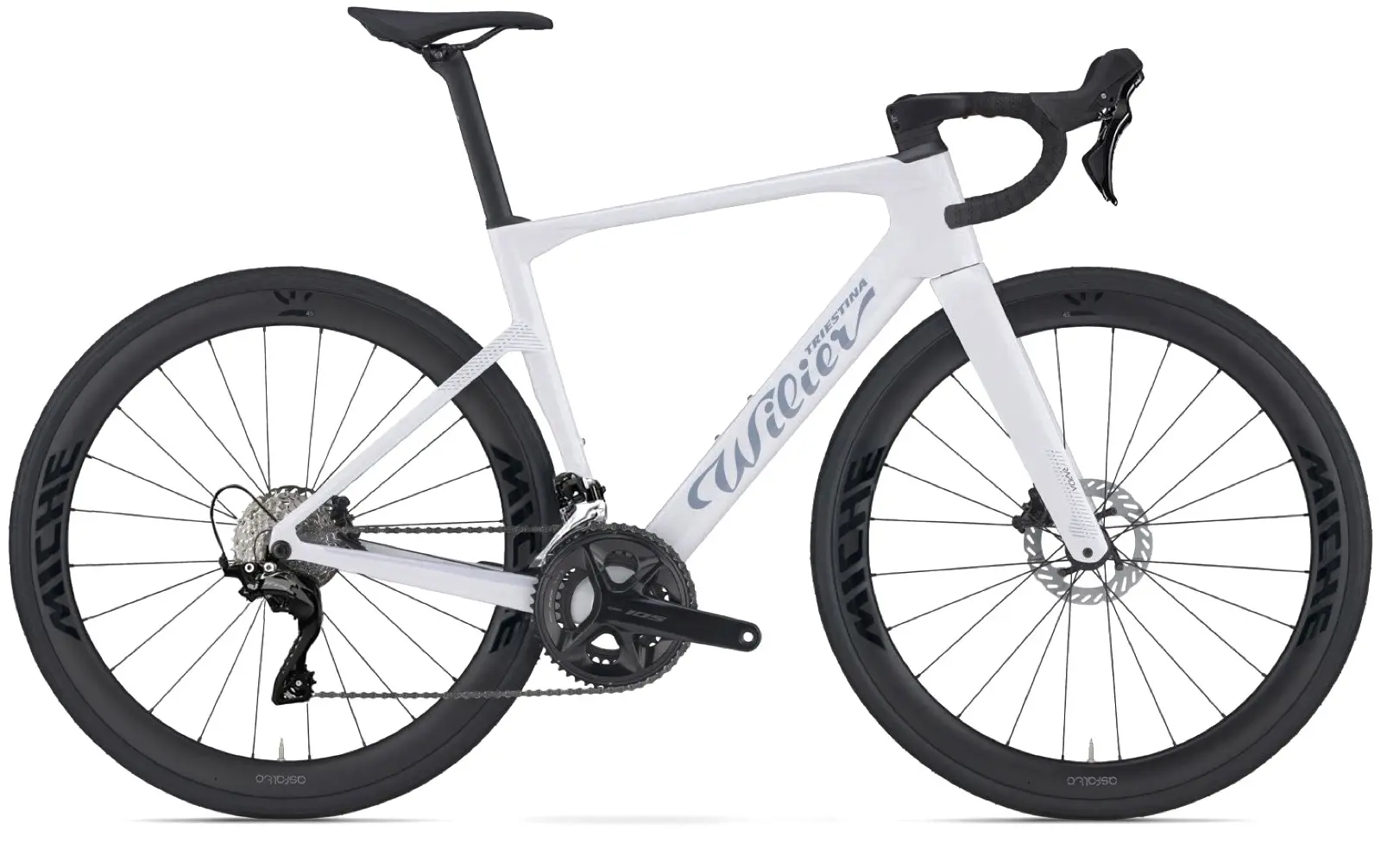
The two things people worry about when buying a bike they cannot touch are whether it will fit and what state it will arrive in. Both are answerable. Here is the whole process, in order.
Getting the size right
You need two measurements, taken in socks with your back against a wall.
Your height, and your inside leg — the distance from the floor to your crotch, measured with a book pulled up firmly between your legs, spine against the wall, and a pencil mark on the top edge of the book. The book stands in for a saddle. Do it twice; people are surprisingly inconsistent.
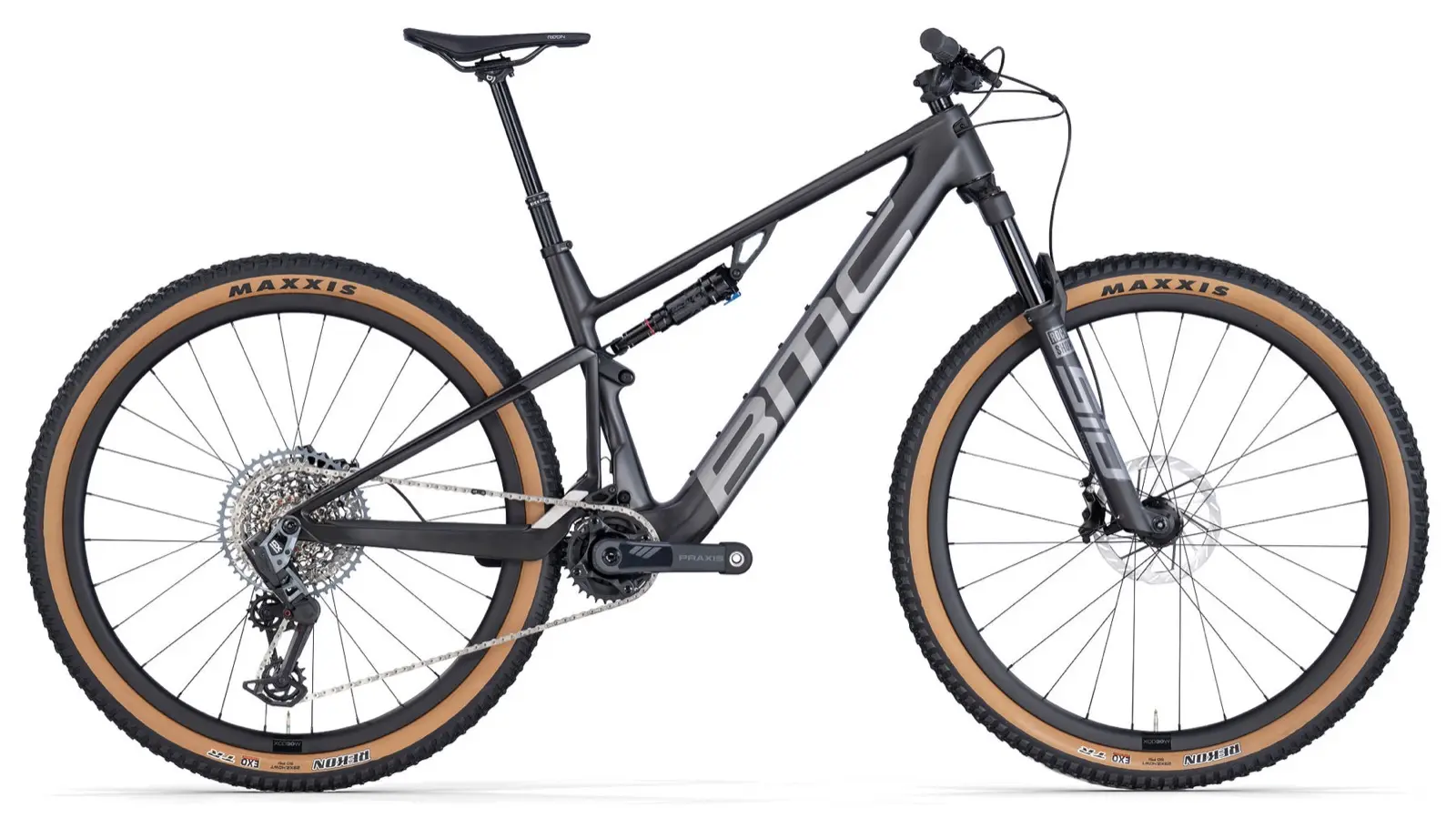
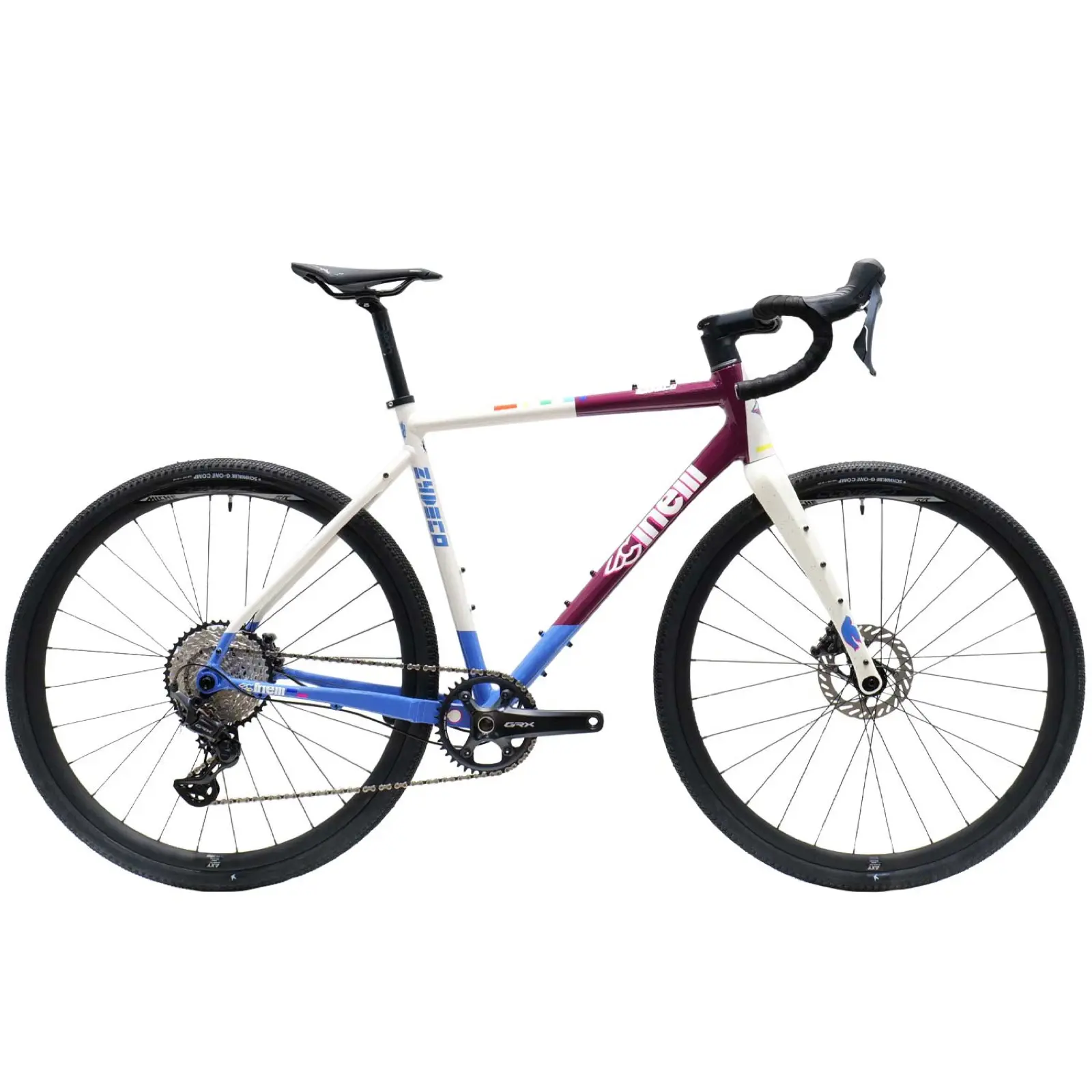
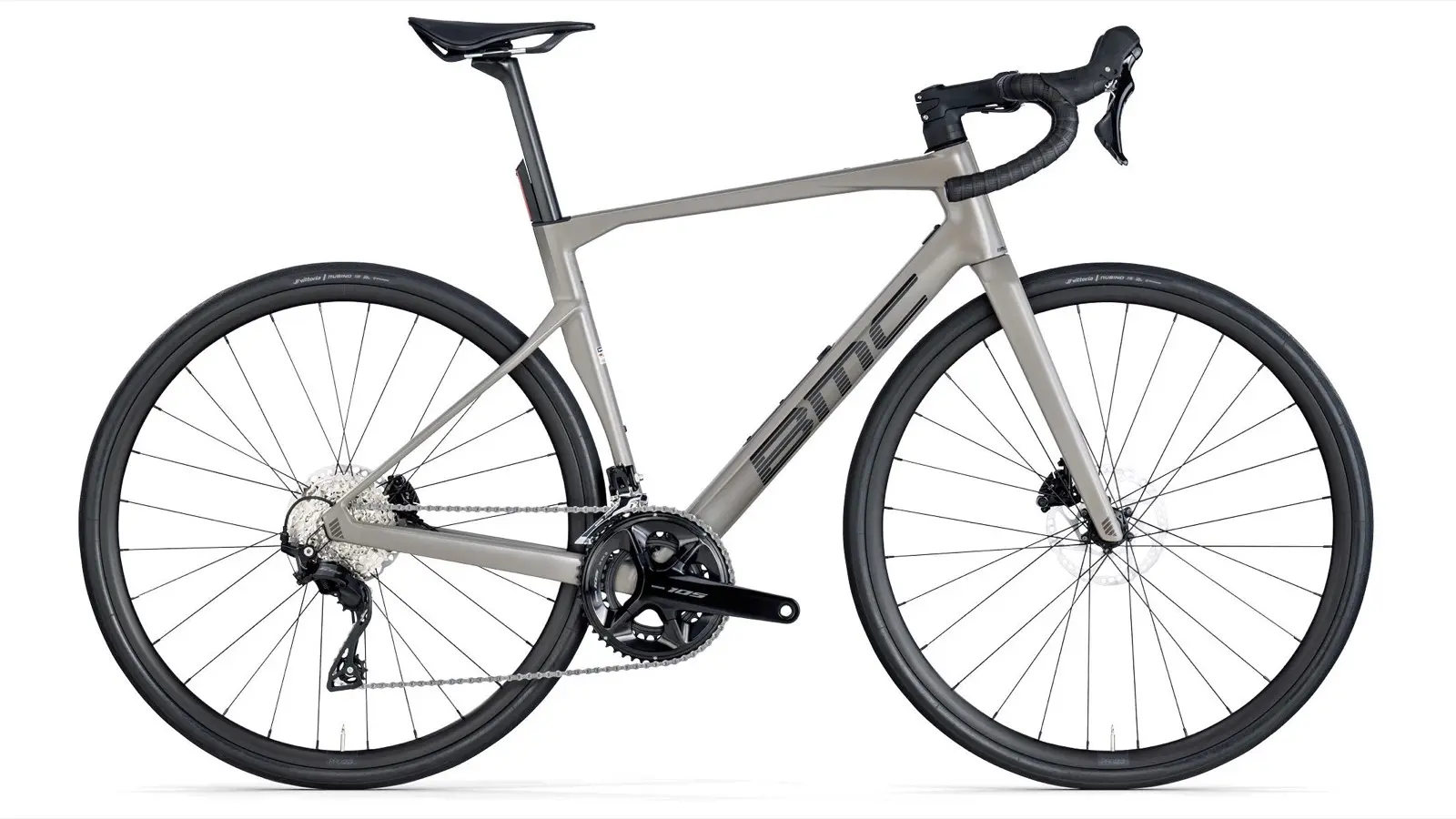
Those two numbers get you to the right frame on almost every road, gravel and mountain bike, because every manufacturer publishes a chart mapping them to its sizes. What makes it confusing is that manufacturers do not agree on what to call a size. BMC labels its Roadmachine frames in centimetres — 47, 51, 54, 56, 58, 61 — while Cinelli, Wilier and Basso label theirs XS to XXL. A 54cm from one maker is not a 54cm from another, and a “medium” is whatever that brand decided it was. Read the chart on the bike’s own page, not the size you own in a different brand.
Two more things worth knowing:
- Between two sizes, the taller frame is usually the safer bet on an endurance or gravel bike, and the smaller one on a race or cross-country frame. But that is a rule of thumb, not an answer. If you fall between sizes, email us with your two measurements and the bike you are looking at. It costs you one message and it is the single most useful thing you can do before ordering.
- Stack and reach are the two numbers that describe a frame’s fit properly — height and length of the front end, measured from the bottom bracket. If you already have a bike that fits, find its stack and reach and compare. That is a far better guide than the letter on the down tube.
Nothing about a stem, a saddle or a seatpost is permanent. Frame size is.
What delivery actually looks like
Bikes go by tracked courier, free, usually within three to five working days of the order. Northern Ireland, the Highlands and Islands can take a few days longer — same price, longer window, and we would rather tell you that than watch a date quietly slip.
Someone has to be there. A boxed bike is a large, heavy parcel and no courier will leave one in a porch. You can give a work address at checkout.
When the payment goes through you land on your order page, and its address ends in your order reference. Bookmark it. That page is the record of the order, and the tracking number appears there when the box leaves us. You get two emails as well — a confirmation when the payment completes, and the courier and tracking number the day it is dispatched — but bookmark the page anyway: an email can bounce or land in a spam folder, and the page is right whatever happened to the email. It tells you plainly whether the confirmation reached you.
What arrives, and the ten minutes after
The bike comes in the manufacturer’s own carton, the way a bike shop receives one. Frame and rear wheel built, gears indexed, brakes bled, everything torqued. What is left is genuinely small:
- Fit the front wheel. Check the disc rotor drops cleanly between the brake pads, then do the thru-axle up properly.
- Straighten the bars and tighten the stem bolts evenly, a little at a time, in a cross pattern, to the torque figure printed on the stem. Carbon parts are not the place to guess.
- Wind the pedals in. The right pedal is a normal thread. The left pedal is a left-hand thread and tightens anticlockwise — this is the step people get wrong, and a cross-threaded crank arm is an expensive mistake. Grease the threads, start them by hand, and stop if it resists.
- Set the saddle height. As a starting point, your leg should be very nearly straight with your heel on the pedal at the bottom of the stroke. Adjust from there over the first few rides.
- Squeeze both brakes hard before you go anywhere, check the tyres are at a pressure printed on the sidewall, and lift each end of the bike and spin the wheels to listen for rubbing.
Ten minutes with the tools in the box. If you would rather not do it at all, any bike shop will finish the build for the price of a half-hour, and asking for that is completely normal.
Keep the box. It is the only thing shaped to hold a bike, and if you decide to send it back, you will want it.
The first ride, and the first month
Ride somewhere quiet first. Check the brakes work before you need them, run through every gear, and stop after ten minutes to check nothing has moved.
Then expect the bike to settle. Cables stretch and spokes bed in over the first few hundred miles, which is why gears that were perfect on day one can need a small adjustment after a month. That is normal and it is what a first service is for — an eighth of a turn on the barrel adjuster usually fixes it, and any shop will do it in minutes. Gears that never worked at all are a different thing: that is a fault, and we deal with it as one.
If it is not right
You have 14 days from delivery to change your mind, on anything, because you bought it at a distance. Tell us within those 14 days and you have another 14 to send it back. You pay the return carriage, and we can reduce the refund if the bike has been used beyond the look you would have had in a shop — so if you are unsure about it, do not ride it outdoors before you decide.
If something is faulty, that is separate, it lasts far longer, and the rights involved cannot be signed away by us or anyone else. The returns and refunds page sets both out in full.
Still not sure about a size? Ask us. It is the one question a photograph cannot answer, and we would much rather have the conversation before the box goes out than after.
Everything above is on the shop. Bikes are on the bikes page; if a question is not answered anywhere, write to us and it probably belongs in the journal.