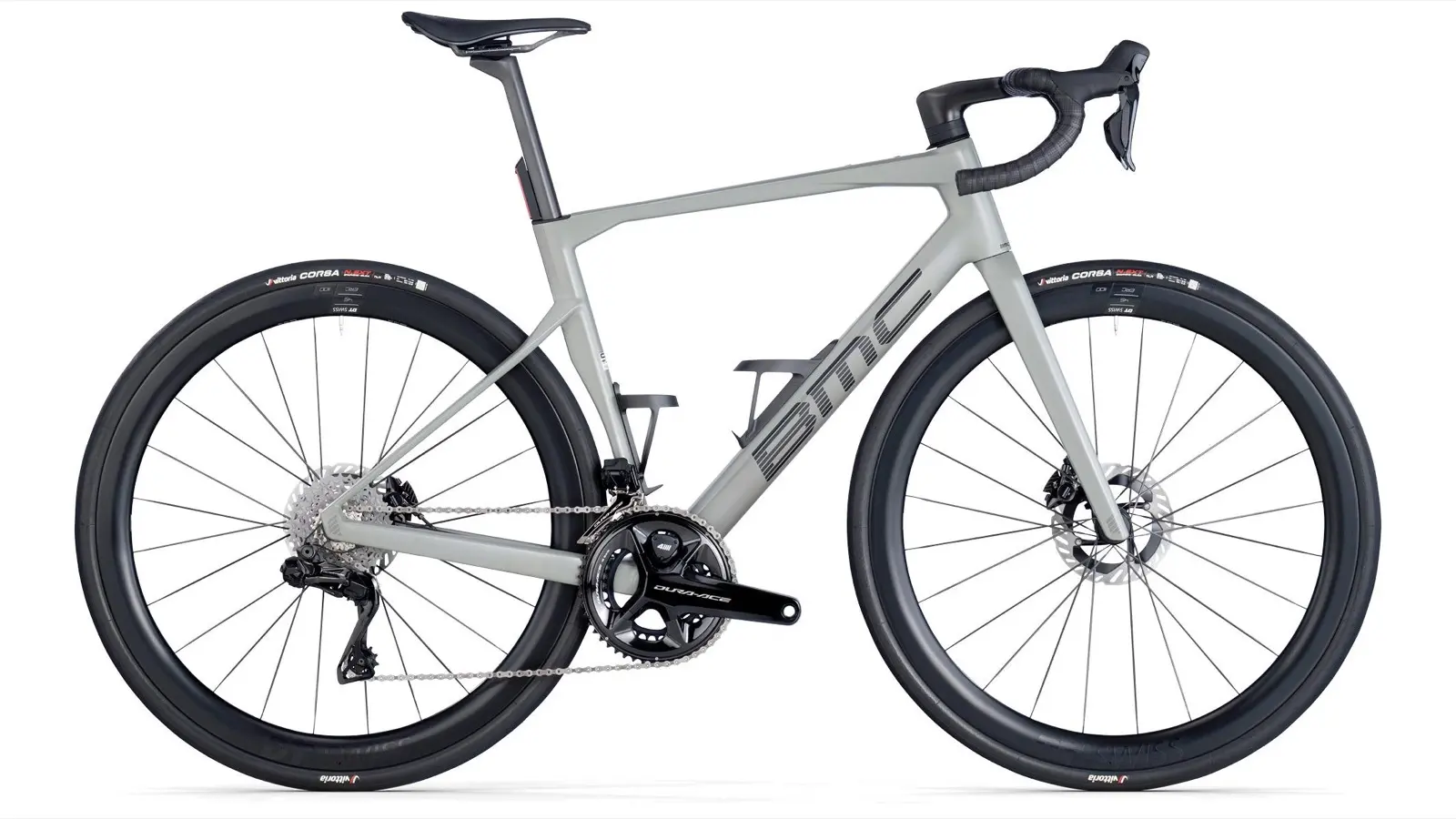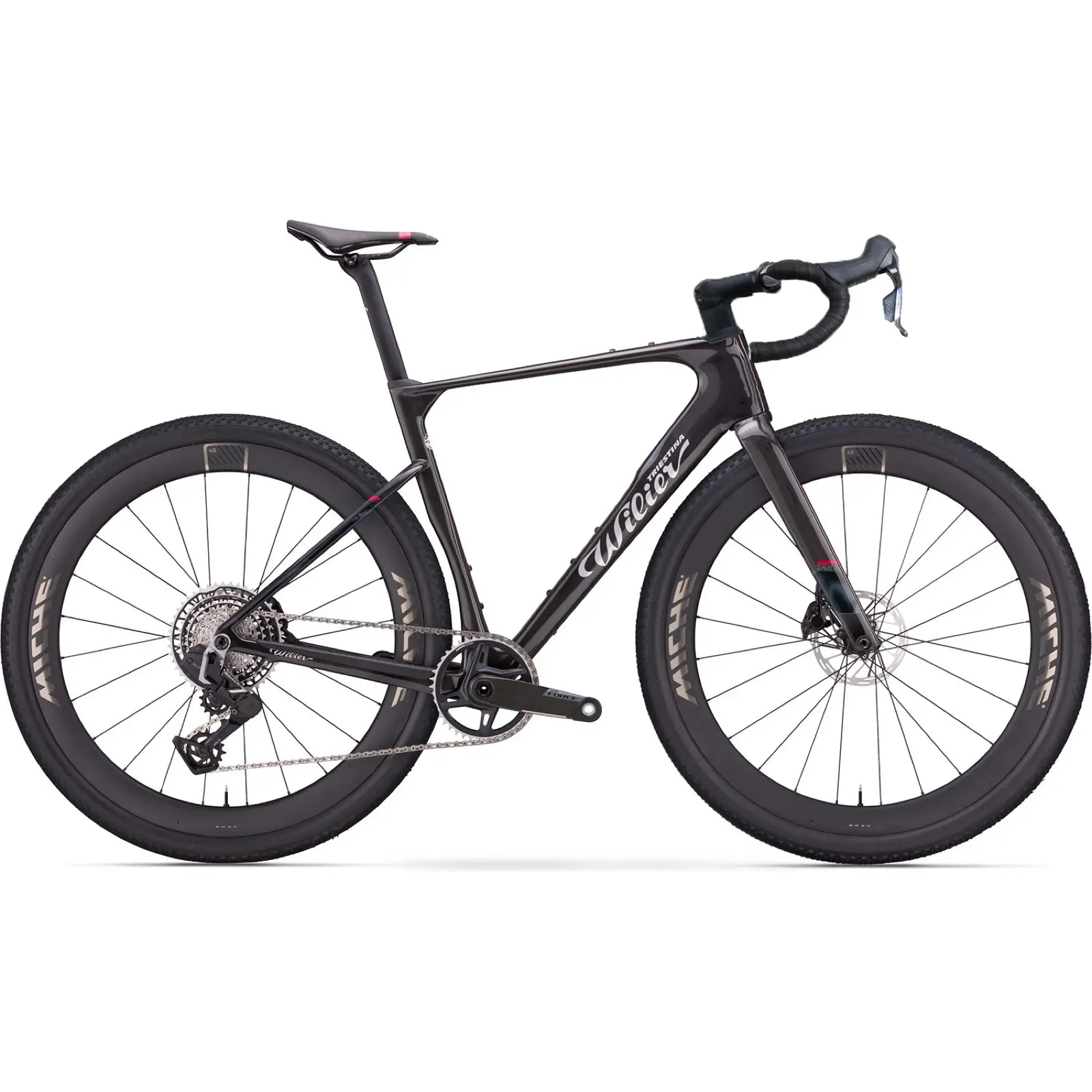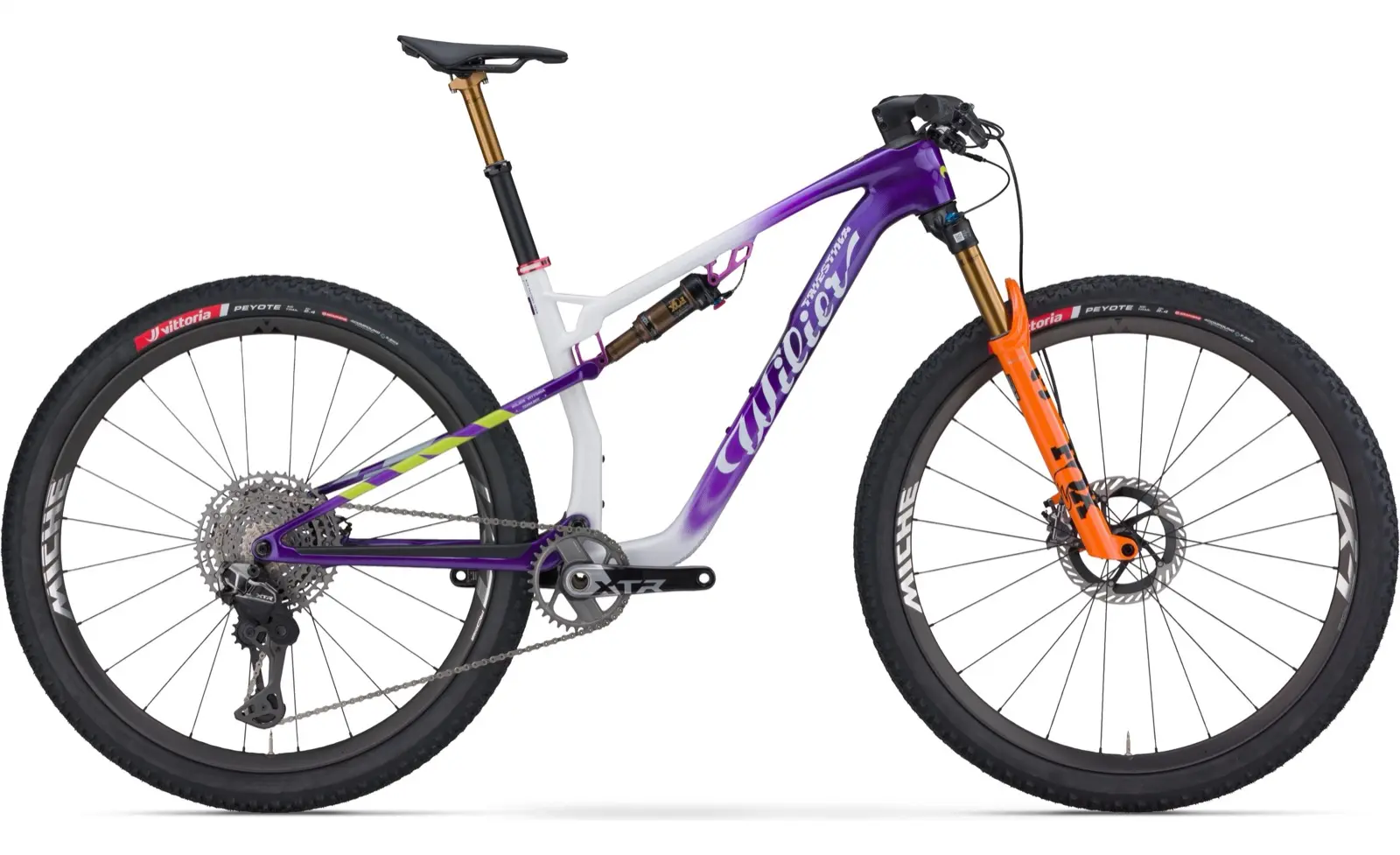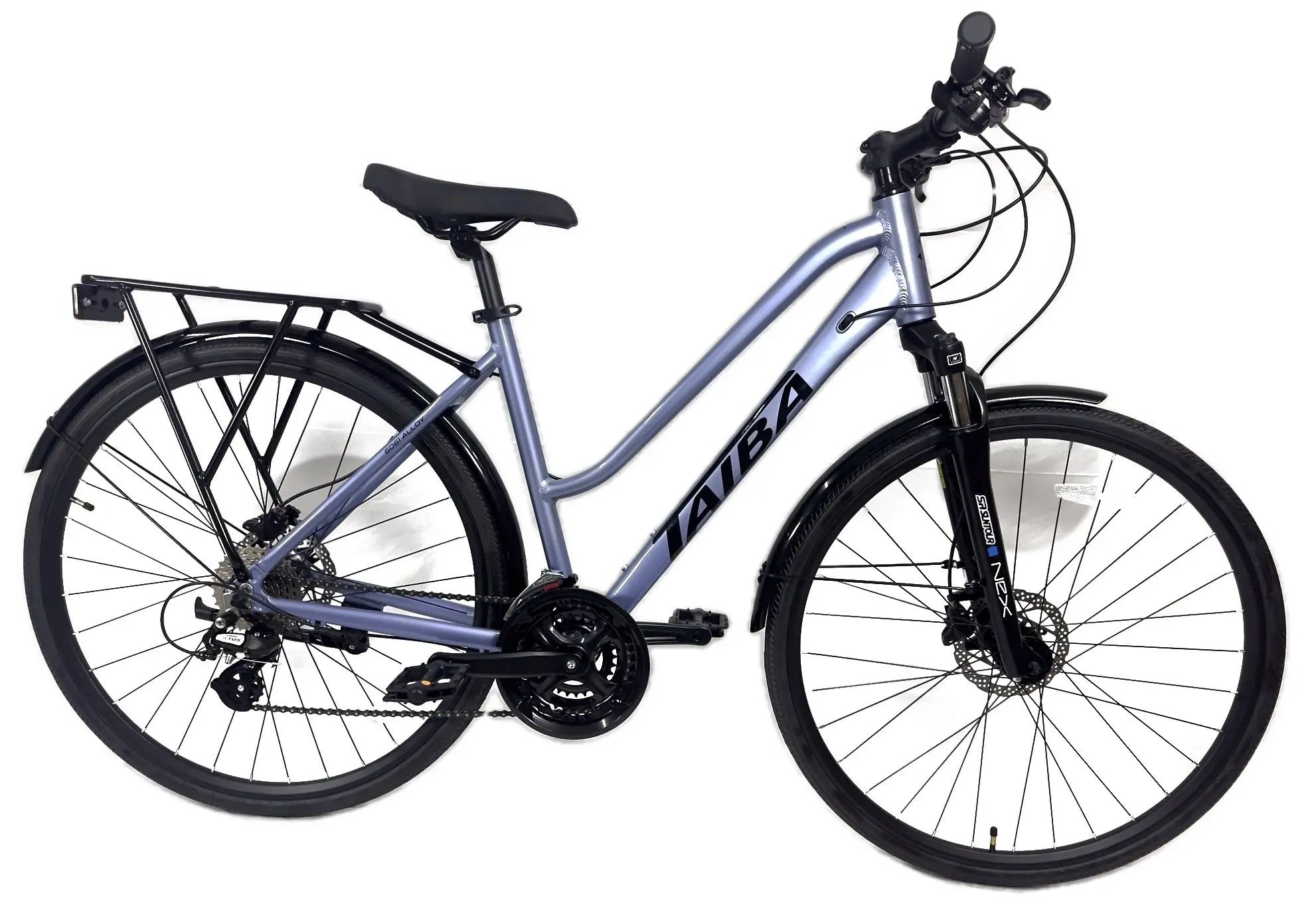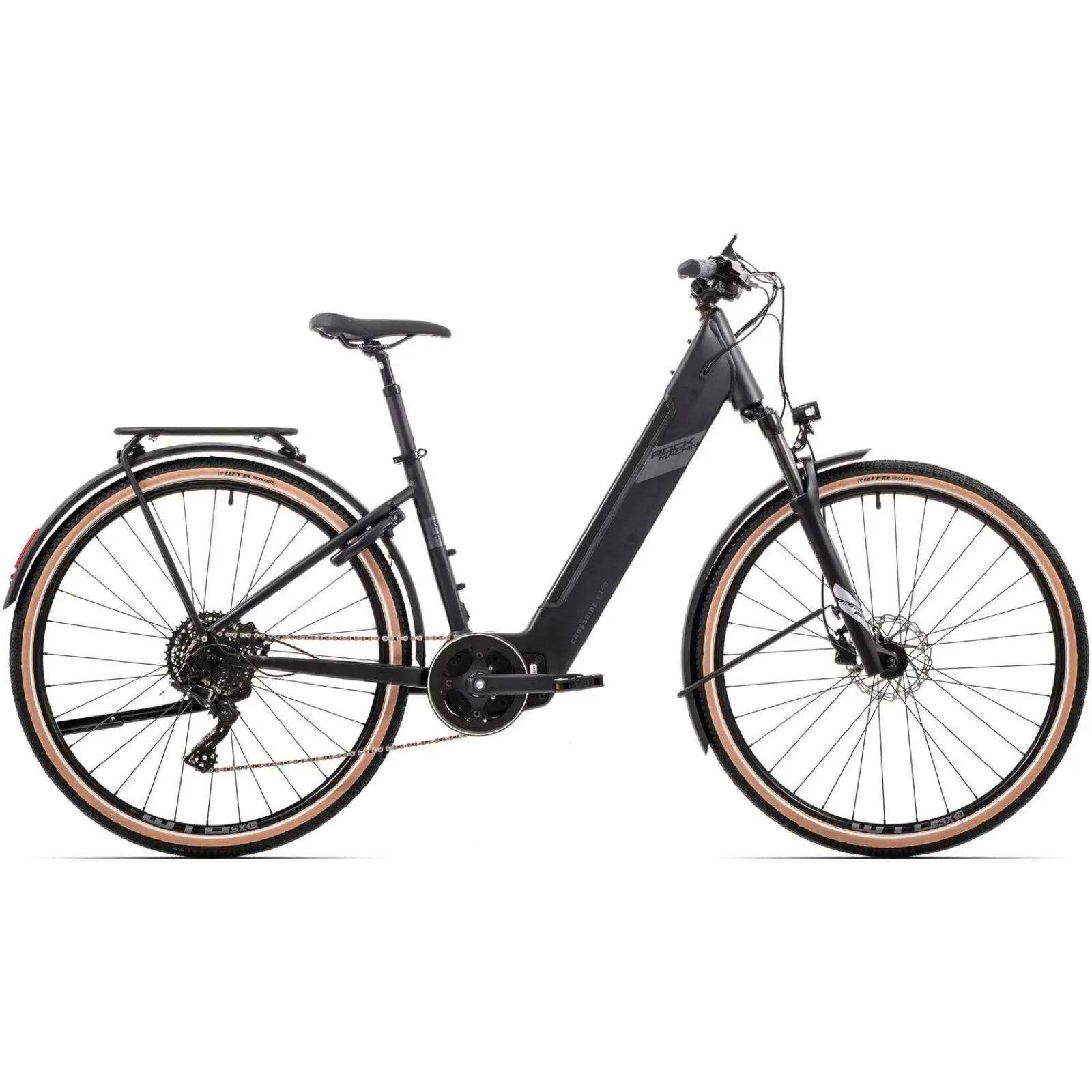
Cycle to Work is the most money most employed people can save on a bicycle, and it is explained badly almost everywhere — usually by whoever is trying to sell you the bike. Here is the mechanism, the arithmetic, and the part where we tell you what we cannot do yet.
The mechanism, in one paragraph
Your employer buys the bike. You do not. They then hire it to you and take the cost out of your salary in instalments, before income tax and National Insurance are calculated. Because the money never counts as pay, it is never taxed, and the saving is whatever tax and National Insurance you would have paid on that amount. That is the whole trick. It is not a discount, a voucher scheme or a loan; it is a change to which side of the payroll calculation the money sits on.
Two consequences follow immediately. You have to be employed and on PAYE — the self-employed cannot use it. And your employer has to have signed up with a scheme provider, because they are the ones who administer it.
What it is worth
The figure usually quoted is 25% to 39% of the price for basic- and higher-rate taxpayers. Where you land in that range depends on your marginal rate and on what the scheme charges you at the end of the hire period, which we will come to.
| Bike price | Basic rate, about 25% | Higher rate, about 39% |
|---|---|---|
| £1,500 | £375 saved — you pay about £1,125 | £585 saved — you pay about £915 |
| £3,000 | £750 saved — you pay about £2,250 | £1,170 saved — you pay about £1,830 |
| £6,000 | £1,500 saved — you pay about £4,500 | £2,340 saved — you pay about £3,660 |
Scroll the table sideways for the rest of the columns.
Those are estimates on the published range, not quotes. Your employer’s scheme provider has a calculator and its number is the one to rely on, because it knows your pay frequency, your employer’s hire period, and the end-of-scheme arrangement they use. Ours does not.
The £1,000 limit that mostly is not one
The most persistent myth in the scheme is a hard £1,000 cap. It came from the Financial Conduct Authority’s group consumer credit licence, which limited an employer to hiring goods up to £1,000 unless they held their own authorisation.
Schemes run by an FCA-authorised provider have no fixed £1,000 ceiling. That changed in 2019 guidance, and it is why bikes at £4,000 and £6,000 go through the scheme routinely now.
What has not gone away is that your employer can set their own limit, and plenty do — £1,000 is a common one precisely because it used to be the rule. So the answer to “can I get a £5,000 bike on Cycle to Work” is: legally yes, and it depends entirely on your employer. Ask them the number before you fall in love with a bike.
The part everyone forgets: the end of the hire
You are hiring the bike, not buying it, for the length of the agreement — commonly a year. At the end, the provider offers you a way to keep it. Depending on the scheme that is a transfer-of- ownership payment, or an extended-use agreement where you keep riding it for a few more years and then own it for a nominal amount.
This is why the saving is 25–39% and not the sum of your tax and National Insurance rates. A higher-rate taxpayer paying 40% tax and National Insurance on top is not saving 42%, because something has to be paid at the end. Any calculator that shows you a saving without mentioning the end of the hire period is showing you a number you will not get.
Read your provider’s terms on this before you sign. It is one page and it is the page that decides what the bike actually costs you.
What you can put on it
Most schemes let you include safety equipment and accessories on the same certificate — a helmet, lights, a lock, mudguards, a pump. Some employers restrict it to the bike alone. It matters because a certificate normally cannot be topped up afterwards: if you ask for £3,000 and then decide you want a helmet too, you are paying for the helmet yourself.
You also do not have to commute on it every day. The condition is that the bike is mainly used for qualifying journeys — commuting, or travel between workplaces — and nobody asks you to keep a logbook or prove it. Riding it at weekends is expected.
If you leave your job part-way through, the balance normally comes out of your final pay, and out of net pay rather than gross — so the remaining amount does not carry the tax saving. Worth knowing if you are already looking at other jobs.
Where ChainLine has got to
Now the honest bit. We cannot take a Cycle to Work certificate yet.
A shop has to be registered with each provider individually before it can accept that provider’s certificates. We are part-way through registration with Cyclescheme, Bike2Work Scheme, Green Commute Initiative, Cycle Solutions, Vivup and Gogeta, and until one of them lists us, a certificate made out to ChainLine cannot be redeemed here.
We are saying that on the shop’s front page rather than at the end of your application because the cost of getting it wrong falls entirely on you: you would ask your employer, wait for approval, get a certificate, and then find out. Email us before you apply and we will tell you exactly where your provider has got to. The Cycle to Work page carries the status of each one and changes the day it changes.
When we are registered, the process is four steps: choose the bike, get the certificate from your employer for that amount, send it to us, and we build the box and dispatch it.
Is it worth waiting for?
If you are employed and your employer runs a scheme, yes — it saves more than any instalment plan, because the saving is tax rather than timing. If you are not, or if the bike you want is over your employer’s ceiling, card is currently the only way to pay us: Klarna and Clearpay are options we intend to offer and have not switched on, and both cap what they will fund well below the price of most of these bikes. Either way they save you nothing; they only move when you pay.
Everything above is on the shop. Bikes are on the bikes page; if a question is not answered anywhere, write to us and it probably belongs in the journal.